
Have you ever stood at your closet and thought, what color suit should I wear? Or wondered how to look professional and still approachable? Or decided you simply do not know what looks good on you? Here is the short answer first, and the reasoning after it.
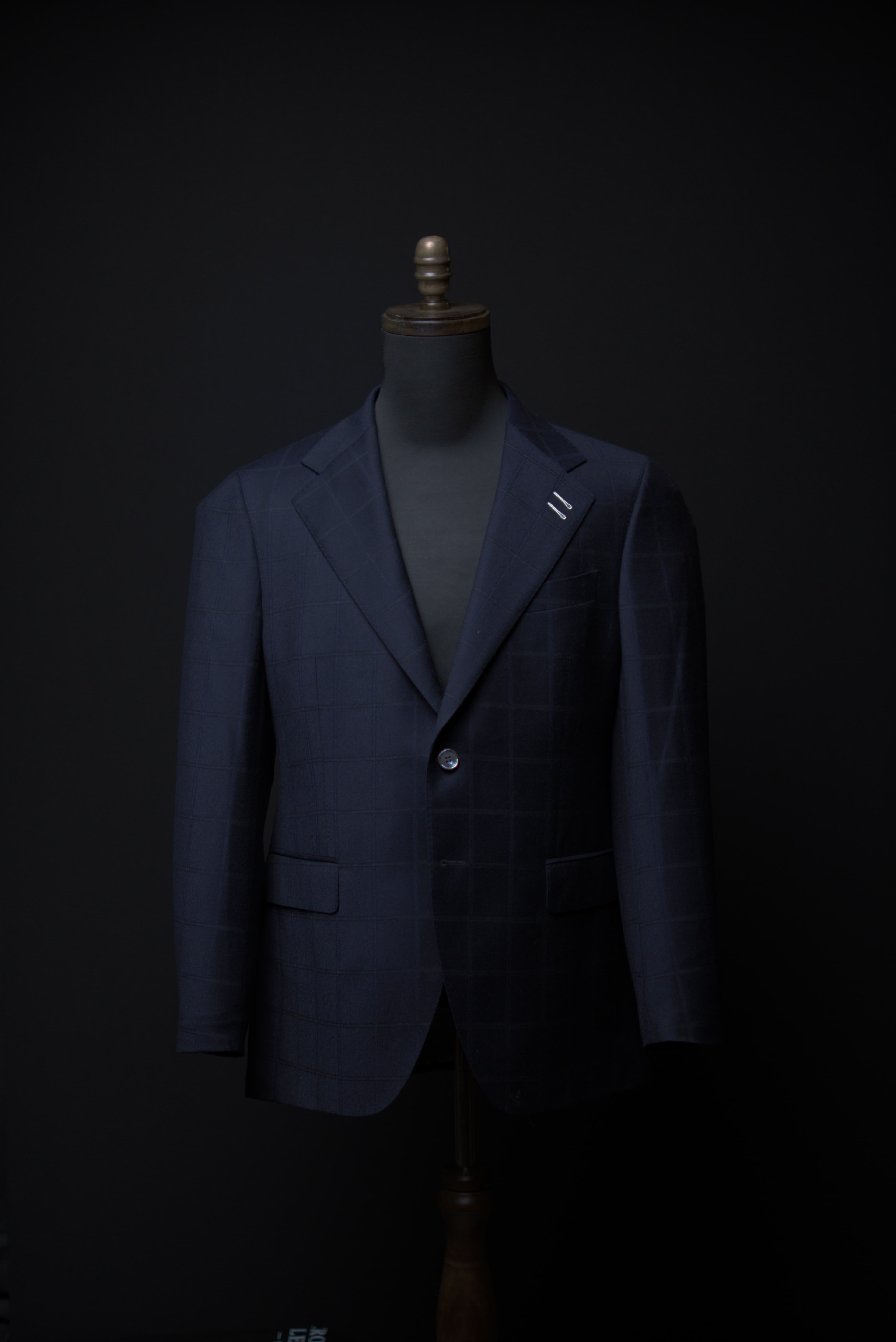
For most offices, start with navy and gray. Navy and dark gray work in most professional settings, and a patterned navy, a glen check or windowpane woven tone on tone, is an easy step past them without leaving familiar colors. Black can be the right call in some settings, and black tie calls for a tuxedo rather than a black suit. White and light blue shirts are the safest start. Between two good options, choose the one you would wear without doubting yourself. You do not need to know any of this before a consultation: Sam Cole walks you through it at your home or office in Sacramento and the Bay Area.
You do not need to be an expert
Not knowing what looks good on you is common, and it is not a problem. You know what you like, you know what you have worn, and you know when something does not fit. That is enough to start.
Sam's job is to turn that into cloth, color and cut. If you know a lot about suits, he goes as deep as you want: how fine the wool is, its weight, the lining. If you just want it to feel good and look right, that is a complete answer too.
Start with what you already wear
If black, navy and gray are what you already wear, there is nothing wrong with them. Your first custom suit can recreate a look you already like, cut to your measurements and made comfortable, and the next one can go a step further. Keeping it simple is a good result, not a compromise.
Choosing between two good options
When two shades both work, the choice comes down to context: why you need the suit now, where you will wear it, how you want to come across, and what is already in your closet. A very dark navy can sit close to black, so if you already own a black suit, a slightly lighter navy adds something new. If you prefer to stay conservative, the deeper navy is the better pick.
With navy, gray and black, you may already know what you like. The harder calls are a color you have not worn before, or how light a gray to go. A lighter shade can feel more relaxed and approachable, depending on the setting, and still read as knowledgeable and authoritative.
Practical worries count too. If you like a light gray but worry it will show perspiration, Sam talks through what helps, such as the cut of the armhole and sweat pads in the jacket.
Once the choices are narrowed to colors that work on you, there is rarely a wrong answer. The question Sam asks is which one you would put on and walk out in without wondering whether you should have worn the other.
"A suit can look great, but a confident man in a suit looks even better."
You do not have to picture the finished suit from a small swatch. Sam has you drape the cloth over your wrist to get a better sense of its color, texture and drape, and he has tools that help you picture the result when you want more than the cloth in your hand. Ask about them at your consultation. Whether you decide by seeing or by handling, he works both ways.
When black is the right call
Black can be the right call.
"I personally enjoy a black suit, but understanding how and when to wear it is key."
In a corporate office, a black business suit can read as funeral wear or as overdressed, so for that setting Sam usually steers toward navy or gray. Black tie is a different question: it calls for a tuxedo, not a black business suit.
One quiet pattern
When you want something more without leaving familiar colors, a patterned navy is the step: a glen check or a windowpane woven tone on tone, so the pattern shows up close and stays quiet across a room.
If you want to build a wardrobe
You do not need three suits to start. One well chosen suit is a complete answer. If you want to build, a patterned navy, a plain light gray and a plain dark gray cover a lot of ground when they are planned together. If you want his guidance, Sam chooses the cloths so the jackets and trousers sit well side by side. Then the navy jacket can work as a sport coat over either gray trouser, and a gray jacket over the navy trousers. Color alone does not make a pairing work; the texture and finish of each cloth matter too.
The easy starting rule is pattern on top and plain on the bottom, or the other way around. Two patterns can share an outfit, but that comes later.
Shirts, then the details
White and light blue shirts are the safest place to start, and they go with every suit above.
Once the base is right, small choices make a suit yours without making it loud: the last buttonhole on the sleeve in a contrast color, with white a common choice; a contrast buttonhole on the lapel; or a lining in a color or print you enjoy under a plain outside. Contrast buttonhole thread and contrast linings are available on made to measure suits from $999.
What Sam asks before he shows you cloth
Color comes after a few practical questions, because the answers shape the cloth:
- When and where you will wear it
- How often you will wear it, and how long you want it to last
- Whether you will mostly stand or sit in it
- Whether the jacket usually stays on or comes off
- How you have it cleaned
How often you wear a suit helps guide the cloth, along with its weave, weight and finish, and how you care for it shapes how the jacket is built. Then the cloth comes out, in your hands, at your home or office.
What clients ask about color.
- What color suit should I buy first?
- For most professional settings, navy or dark gray. Both go with white and light blue shirts. After those, a plain light gray and a patterned navy in a quiet tone on tone check are good next steps.
- Is a black suit right for black tie?
- No. Black tie calls for a tuxedo. A black business suit is a different garment.
- How do I choose between two shades of navy or gray?
- Start with where you will wear the suit and what you already own. If you have a black suit, a slightly lighter navy adds variety; if you prefer to stay conservative, go deeper. A lighter gray can feel more approachable, depending on the setting. Once both options suit you, choose the one you would wear without doubting yourself.
- Do I need to know about fabric or style before a consultation?
- No. Sam asks how and where you wear a suit, how often, and how you care for it, and he explains each choice as it comes up. If you already know about wool and weights, he goes as deep as you like. The consultation is complimentary, takes ninety minutes and happens at your home or office.
Not sure what looks good on you? That is where Sam starts.
Ninety minutes at your home or office, with the cloth in your hands. Made to measure starts at $999 and arrives four to eight weeks after your measurements are taken.
Reserve a consultationSacramento · Bay Area · 916.520.4106 · By appointment only
Where this article connects on the rest of the site.
- Custom tuxedosFor black tie, which calls for a tuxedo rather than a black business suit.Read on
- One suit or a full wardrobeHow Sam starts from the style you already like, one suit at a time or as a planned wardrobe.Read on
- Blazer or sport coatHow the two jackets differ, and where each one fits in your closet.Read on
- What a custom suit costsStarting prices for made to measure and bespoke, and what moves the price.Read on
More from the journal.
When to choose Dormeuil
A French house, woven in England. The price buys cloth character, not a finer number.
Read the articleWhen to choose Lanificio Cerruti
Gruppo Piacenza owns both mills. The price gap is not the badge. It is the fiber.
Read the articleWhen to choose Holland and Sherry
A British cloth house with a wide range, from Crispaire for travel to tweed. When it is the right call, and when a softer cloth suits you better.
Read the article